Substance Abuse Prevention and Control





Kratom/7-Hydroxmitragynine (7-OH)
What is Kratom?
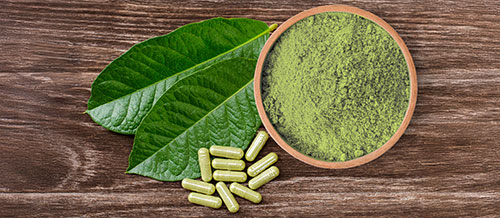
Kratom and kratom-related products are derived from the leaves of a tree (Mitragyna speciosa) native to Southeast Asia.
Kratom is a drug with stimulant effects (in low doses) and opioid effects (in high doses). Chewing fresh leaves or drinking tea has been traditionally used by communities in Southeast Asia.
The kratom products being manufactured and sold in Los Angeles have no standardized safety testing and contain psychoactive substances that can lead to physical dependence,
interact with prescribed medications, and cause other harms. Kratom in its natural form contains mitragynine and a small amount of 7-Hydroxymitragynine (7-OH).
Products being sold with concentrated 7-OH can be much stronger and more dangerous than the traditional natural leaf product.
Anyone taking a kratom product needs to be aware that it has not been tested for safety and can cause serious harm, including the risk of physical dependence.
Other possible harms include nausea, vomiting, constipation, liver damage, muscle pain, high blood pressure, confusion, depression, seizures, and respiratory depression.
A product labeled as kratom can be manufactured to have high amounts of 7-OH, which is more addictive, and in an overdose can cause someone to pass out, stop breathing, and die.
What is 7-OH?
7-Hydroxymitragynine (7-OH) is an opioid drug that is addictive and can cause serious harm, including death from overdose.
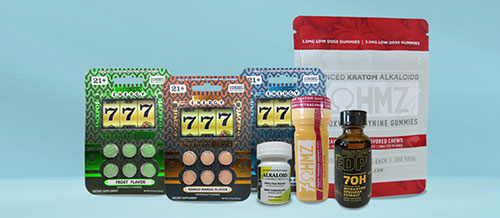
It is made from the kratom plant and sold in many forms, including powder, pills, extracts, liquid shots, drinks, gummies, and teas.
Labels that indicate a product may have this dangerous drug also include 7-OH-mitragynine, 7-HMG, 7-OHMG, 7-OHMZ, or mitragynine pseudoindoxyl.
Kratom products and/or 7-OH are marketed for opioid withdrawal, depression, anxiety, or pain.
These products have not been approved by the United States Food and Drug Administration (FDA) and have been linked to six overdose deaths in Los Angeles County.
It is illegal to sell these products in Los Angeles County.
What You Should Know
The Los Angeles County Department of Public Health is
alerting individuals and health care providers about the serious health risks associated with a concentrated version of kratom known as
7-Hydroxymitragynine (7-OH). The Los Angeles County Medical Examiner has confirmed six fatal overdoses involving 7-OH among individuals aged 18 to 40.
In many of these cases, alcohol and other drugs or medications were also found in the person’s system, but those who died were otherwise healthy.
The California Department of Public Health is also warning consumers that foods and other products containing kratom and 7-OH are illegal to sell or manufacture and may result in addiction, serious harm, overdose, and death. Despite their wide availability, these products are not lawfully marketed in the U.S. as a drug product, dietary supplement, or food additive. Retailers must immediately stop selling any 7-OH products as they are illegal to sell and cannot be sold online or in stores.
To report the illegal sale of 7-OH, individuals can call Public Health Environmental Health at (888) 700-9995.
The safest thing to do is avoid using 7-OH and kratom-related products all together.
In many of these cases, alcohol and other drugs or medications were also found in the person’s system, but those who died were otherwise healthy.
The California Department of Public Health is also warning consumers that foods and other products containing kratom and 7-OH are illegal to sell or manufacture and may result in addiction, serious harm, overdose, and death. Despite their wide availability, these products are not lawfully marketed in the U.S. as a drug product, dietary supplement, or food additive. Retailers must immediately stop selling any 7-OH products as they are illegal to sell and cannot be sold online or in stores.
To report the illegal sale of 7-OH, individuals can call Public Health Environmental Health at (888) 700-9995.
The safest thing to do is avoid using 7-OH and kratom-related products all together.
Dangers and Risks Associated
Kratom use may produce a feeling of increased energy in low doses and, in higher doses, can produce opioid-like effects, including pain relief. Mixing kratom use with alcohol, opioids, and other drugs increases the risk of harm, including overdose and death. Short-term adverse effects of kratom can include nausea, constipation, dizziness, and dry mouth. Kratom products are not regulated, so they may contain different chemicals and plants that are not related to kratom. As a result, kratom’s effects can vary from person to person. Because 7-OH products are unregulated, effects can vary widely. Risks include:
- Nausea and vomiting
- Constipation dizziness, or dry mouth
- Drowsiness or trouble sleeping
- Nervousness or restlessness
- Slowed breathing (respiratory depression)
- Sweating or cheek discoloration
- Euphoria (“high”)
- Seizures
- Death
How to Stay Safe
The safest course of action is to avoid using any 7-OH or kratom-related products. To minimize the risk of overdose and overdose-related death for people who are using drugs, Public Health urges individuals to:- Never use alone: Using with another person is protective and increases the chances of lifesaving interventions such as the administration of naloxone in instances of an overdose. Naloxone can reverse 7-OH toxicity.
- Stagger drug use with others: Making sure at least one person in the group can administer naloxone to reverse an overdose can save a life.
- Avoid mixing 7-OH with other drugs: The effects of combining substances may be stronger and more unpredictable than using one drug alone and mixing and using multiple drugs increases the risk of an overdose.
- Carry naloxone: Naloxone can reverse an opioid overdose and successfully restore breathing to reverse the effects of opioids, including 7-OH. Naloxone can be administered by nasal spray or intramuscular injection to save their life. Both methods are equally effective.
Information for Retailers
- The Los Angeles County Department of Public Health (Public Health) is advising retailers to immediately remove from their shelves and stop selling products that contain kratom, tianeptine and the synthetic kratom compound known as 7-Hydroxymitragynine (7-OH). Per the federal Food and Drug Administration (FDA) kratom and 7-OH products are not lawfully marketed in the U.S. or California as a drug product, dietary supplement, or food additive.
- Public Health inspectors are inspecting tobacco shops and other retailers for kratom and 7-OH products. If found, these illegal products will be red-tagged and required to be removed from sale. Failure to remove these products from the shelves could result in the impound, destruction of the products, fines and other penalties.
- Any kratom/7-OH food product (including beverages and dietary supplements) may not be sold in Los Angeles County and will be red-tagged, taken off the shelves so not available to customers or the public, and held at the facility for further action by Public Health’s Environmental Health Division. The name of the manufacturer and/or distributor will be referred to the California Department of Public Health-Food & Drug Branch (CDPH-FDB) for enforcement.
Resources
- 7-OH Fact Sheet
- Kratom Fact Sheet
- LA County Public Health Press Release
- California Department of Public Health Press Release
- Environmental Health (EH)'s notice to retail businesses
and Substance Use Services at 1-800-854-7771, select option 2 after the language prompt.