|
Emergency Preparedness and Response
|
Emergency Preparedness and
Response Division
Los Angeles County
Department of Public Health
600 S. Commonwealth Ave., Suite 700
Los Angeles, CA 90005
(213) 637-3600
(213) 381-0006 FAX
Public Callers who would like to reach the Emergency Preparedness and Response
Division or a report a public health issue may also call 2-1-1 anytime.

|

Adobe Reader
Note: PDF documents on this site were created using Adobe Acrobat 5.0 or later. If you are using an earlier version of Adobe Acrobat Reader (4.x or less), document functionality may be reduced.
Please
Click Here
|
|
|
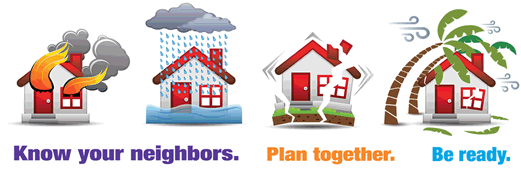
Individually, each of these actions is recommended for emergencies. Collectively, they
could be instrumental in surviving a disaster. |
 |
 |
 |
| Coordinating with neighbors could be critical to surviving a disaster. |
Plan ahead: Know what to do and how to do it. |
There are steps to take to stay focused in the midst of chaos. |
|
|
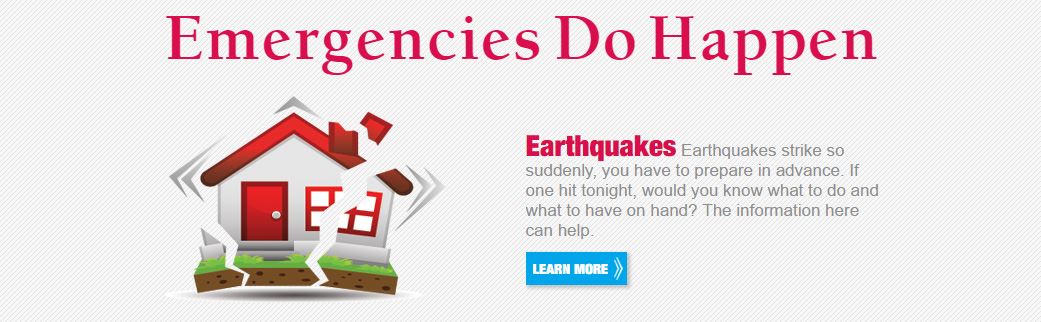
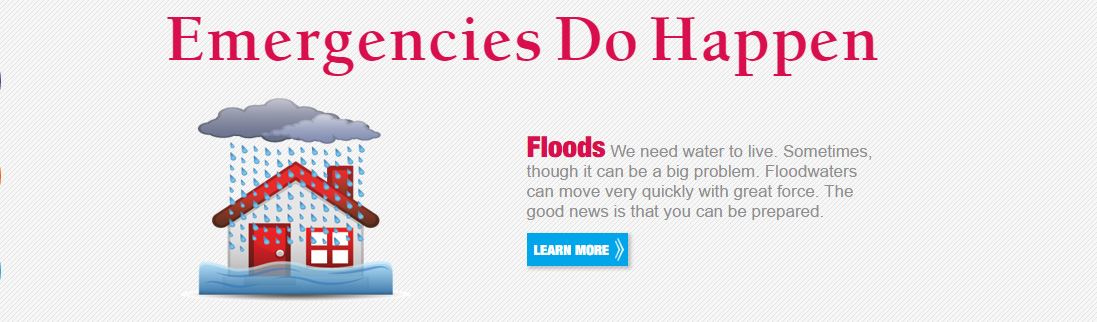
Recent earthquakes are a reminder that emergencies do happen. In LA County, emergencies can be fires, wind storms, earthquakes or floods. While it’s difficult to predict the next one, but you can be ready. Preparing with your family and neighbors increases your chances of survival in case of an emergency.
Here are some resources for emergency preparedness:
|
|
|
Message from the Director
|
|
Welcome to the website of the Emergency Preparedness and Response Division (EPRD) of the Los Angeles County
Department of Public Health. As a division, we work closely with governmental, academic, and community partners
to ensure that all Angelenos are prepared for and able to respond to natural and intentional emergencies.
I encourage you to explore the many resources listed on these pages, and appreciate your
interest in our efforts. Please feel free to contact us with any questions or concerns.
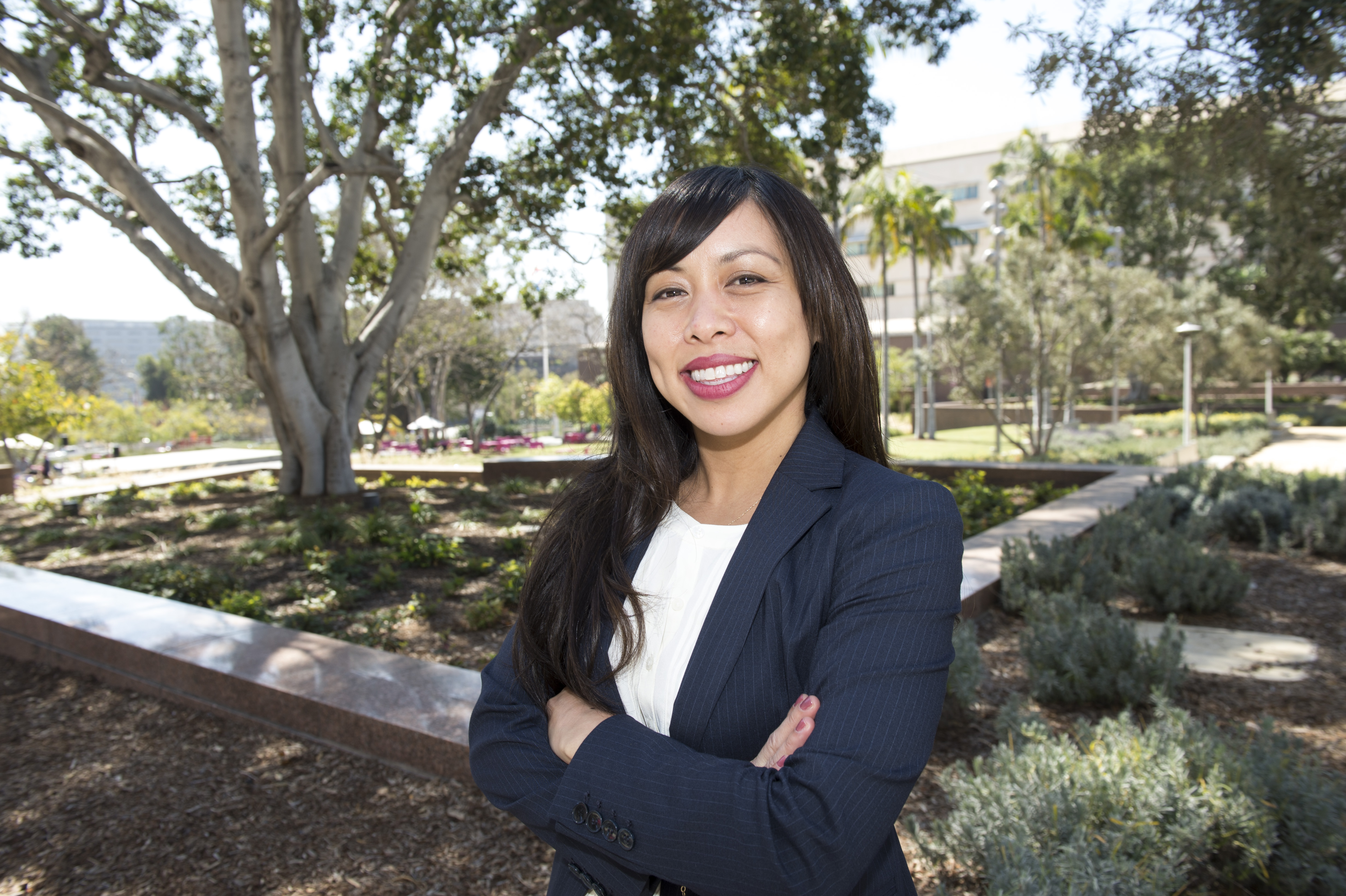
Stella Fogleman, RN, MSN/MPH, CNS
Director, Emergency Preparedness and Response
|
|
|
Our Vision: Los Angeles County residents are protected from the public health consequences of both natural
and intentional emergencies.
Our Mission: To prevent and mitigate the public health consequences of natural or intentional emergencies for Los
Angeles County residents through threat assessment, planning, improved operational readiness, and timely response.
|
 Southern California has about 10,000 earthquakes each year, though most are so small that they are never felt. (readyla.org)
Smoke alarms should be tested every month, and batteries replaced at least once a year. (redcross.org)
During hot weather, people should drink more liquid than their thirst indicates, up to four 16-ounce glasses per hour if exercising in the heat. (readyla.org)
Cooking is the major cause of home fires in the U.S. (readyla.org)
Space heaters are a common cause of fires during winter and should be kept at least three feet from drapes and furniture. (readyla.org)
The most common home chemical emergencies involve small children eating medicines. Experts say that taking hazardous materials out of sight could eliminate up to 75% of all poisoning of small children. (redcross.org)
There is no such thing as “earthquake weather.” Earthquakes can occur in any type of weather. (readyla.org)
The most common illnesses treated in the U.S. include colds and coughs, flu, sore throat, bladder infection, and more seriously, cancer, heart disease, and stroke. (readyla.org)
Each year, fire kills more Americans than all other natural disasters combined. (readyla.org)
During an earthquake, get under a sturdy piece of furniture and hold on. This will provide some protection from falling objects that can injure you. Doorways are no stronger than any part of the structure. (redcross.org)
65% of home fire deaths occur in homes with no working smoke alarms. (redcross.org)
The San Andreas Fault is not a single, continuous fault, but rather a fault zone consisting of many different segments. Its fault system is more than 800 miles long. (readyla.org)
City dwellers may be at greater risk than those in rural areas during heat waves because asphalt and concrete store heat longer and gradually release it at night. (readyla.org)
Los Angeles County utilizes a Terrorism Early Warning group to constantly assess terrorist attacks and keep authorities and the public updated. (readyla.org)
Southern California has about 10,000 earthquakes each year, though most are so small that they are never felt. (readyla.org)
Smoke alarms should be tested every month, and batteries replaced at least once a year. (redcross.org)
During hot weather, people should drink more liquid than their thirst indicates, up to four 16-ounce glasses per hour if exercising in the heat. (readyla.org)
Cooking is the major cause of home fires in the U.S. (readyla.org)
Space heaters are a common cause of fires during winter and should be kept at least three feet from drapes and furniture. (readyla.org)
The most common home chemical emergencies involve small children eating medicines. Experts say that taking hazardous materials out of sight could eliminate up to 75% of all poisoning of small children. (redcross.org)
There is no such thing as “earthquake weather.” Earthquakes can occur in any type of weather. (readyla.org)
The most common illnesses treated in the U.S. include colds and coughs, flu, sore throat, bladder infection, and more seriously, cancer, heart disease, and stroke. (readyla.org)
Each year, fire kills more Americans than all other natural disasters combined. (readyla.org)
During an earthquake, get under a sturdy piece of furniture and hold on. This will provide some protection from falling objects that can injure you. Doorways are no stronger than any part of the structure. (redcross.org)
65% of home fire deaths occur in homes with no working smoke alarms. (redcross.org)
The San Andreas Fault is not a single, continuous fault, but rather a fault zone consisting of many different segments. Its fault system is more than 800 miles long. (readyla.org)
City dwellers may be at greater risk than those in rural areas during heat waves because asphalt and concrete store heat longer and gradually release it at night. (readyla.org)
Los Angeles County utilizes a Terrorism Early Warning group to constantly assess terrorist attacks and keep authorities and the public updated. (readyla.org)
|
|
|
|






 VOLUNTEER OPPORTUNITIES