LAHAN Alert for Medical Providers

Advisory issued November 18, 2025. Review important clinical guidance and recommendations.

Read Advisory

Silicosis

What is Silicosis?

Silicosis is a serious lung disease caused by breathing in respirable crystalline silica dust, which is produced when cutting high-silica-content materials such as engineered stone. Exposure to silica dust can cause lung inflammation, stiffening, and permanent scarring that may lead to difficulty breathing, severe lung disease, kidney disease, lung cancer, and death.

Silicosis currently has no cure; however, proper workplace controls can mitigate silica dust exposure. While the disease often develops after 10 years of exposure, workers exposed to high concentrations of silica dust may develop silicosis much sooner.

Risk Factors

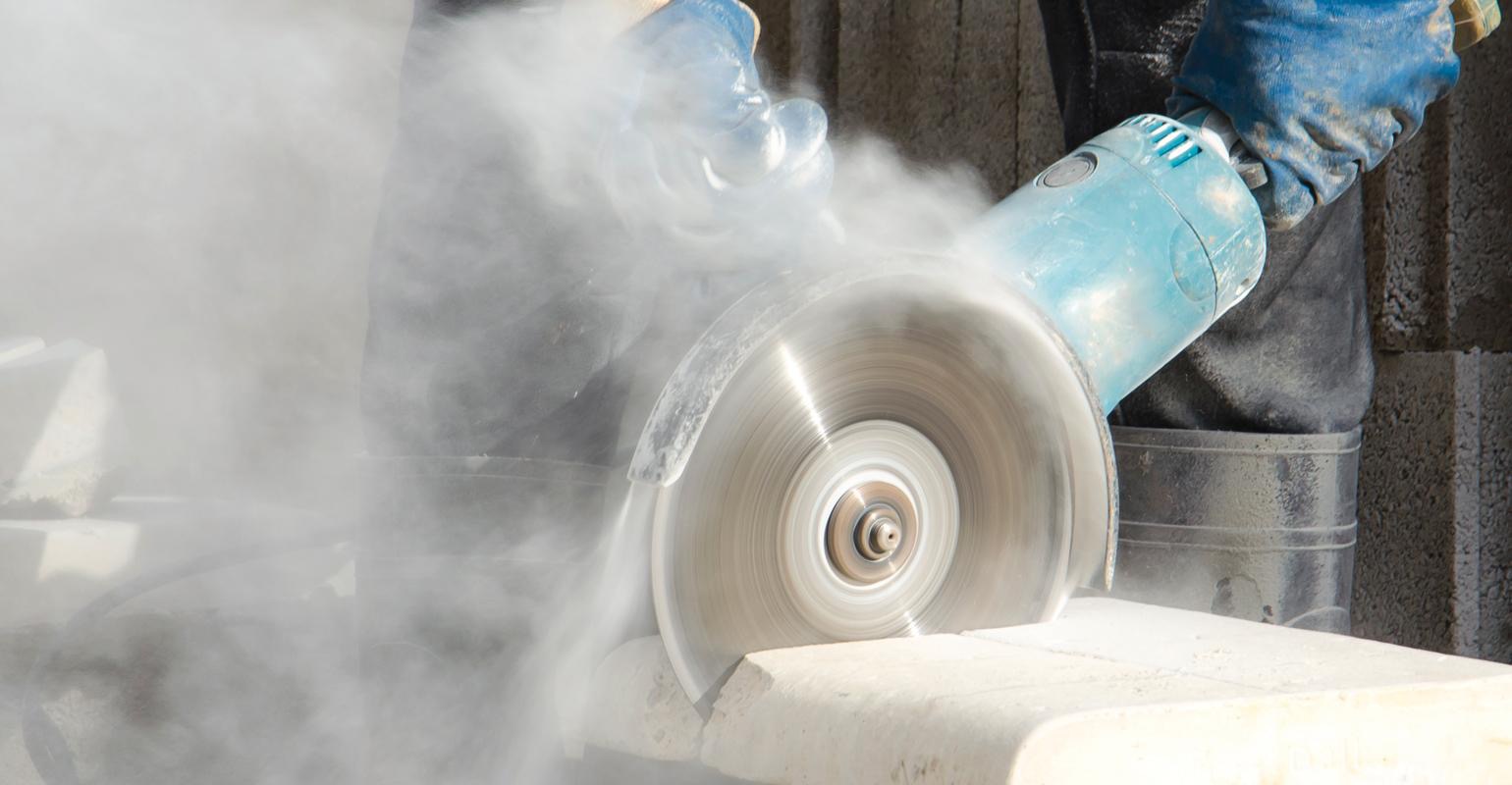
Worker cutting stone material with a compact circular saw.

People who work in industries that involve cutting, chipping, drilling, or grinding materials that contain silica such as engineered stone (also known as artificial stone), quartz, granite, sandstone, slate, soil, and other natural materials—are at higher risk of developing silicosis.

Workers who cut stone countertops, especially engineered stone, are at the highest risk because engineered stone is made primarily of quartz, which typically contains more than 90% crystalline silica.

Many people affected by silicosis are in their 40s. Visit the California Engineered Stone (ES) Silicosis Dashboard (opens in a new tab) from CDPH to stay up to date on cases and deaths across California. Dashboard data are updated weekly.

Symptoms

Illustration showing common symptoms associated with silicosis.

In the early stages of silicosis, a person is unlikely to experience any noticeable symptoms. Reducing silica dust exposure and participating in regular medical checkups are important ways to mitigate risk and screen early for disease. Symptoms may take years of ongoing exposure to appear; however, heavy or prolonged exposure may cause symptoms to develop sooner.

Breathing in silica dust over time can permanently damage the lungs. This lung damage can lead to silicosis, or cause other diseases like lung cancer, COPD, and kidney disease. Silicosis can also activate latent tuberculosis (TB), and can exacerbate autoimmune diseases such as lupus and rheumatoid arthritis.

Silicosis symptoms may include:
  • Persistent cough
  • Shortness of breath
  • Chest pain
  • Fatigue
  • Weakness
  • Loss of weight and appetite
  • Fever or night sweats
  • Leg swelling

If you experience any of these symptoms, call your doctor. If you do not have a doctor, call 211 or visit 211LA.org (opens in a new tab) and they can assist you with finding a healthcare provider. Workers seeking medical screening should inform their medical provider about their work history and silica dust exposure to ensure an accurate diagnosis.

Once lung damage has occurred, symptoms may continue to worsen even after exposure to silica dust has stopped. In advanced stages, severe lung damage can reduce oxygen levels in the blood, causing a bluish discoloration of the lips or fingertips (cyanosis). If you experience cyanosis, seek immediate medical care.

A doctor can evaluate you to determine what the cause of your symptoms might be. Always inform the doctor if you work in a high-risk setting or have occupational exposure to silica dust.

For additional guidance, workers can use our wallet card on What to tell your Healthcare Provider.

Treatment

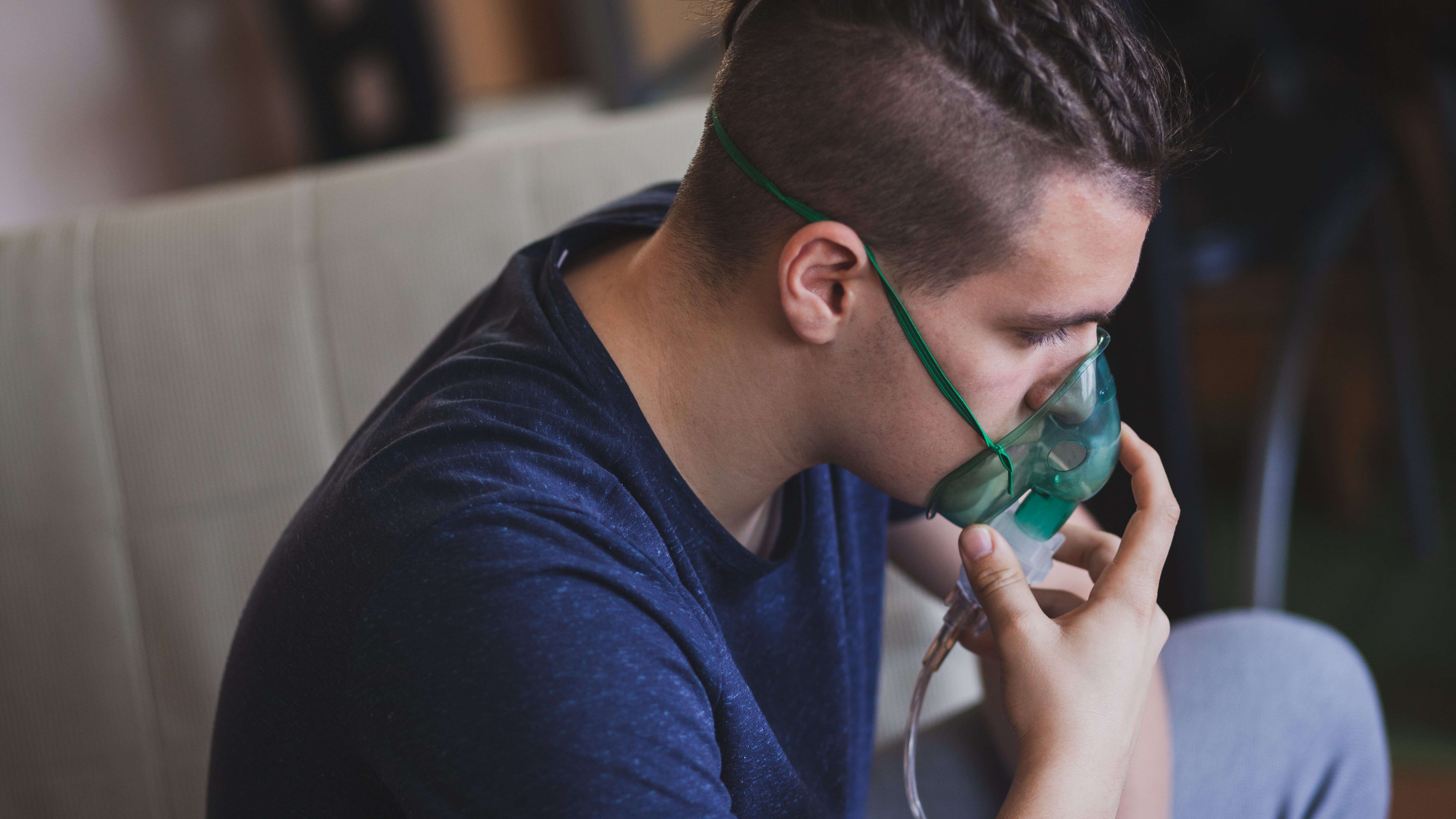
Healthcare provider administering breathing treatment to a patient.

There is currently no cure for silicosis, and the lung damage it causes cannot be reversed.

Treatment focuses on managing symptoms, improving quality of life, and preventing complications. Options may include oxygen therapy, oral medications, pulmonary rehabilitation, and vaccinations to reduce the risk of respiratory infections. In some cases, a lung transplant may be considered for eligible patients and may help extend the patient’s life.

The most important step after diagnosis is to avoid further exposure to silica dust, as continued exposure can worsen lung damage. Regular medical follow-up is also important to monitor lung function and manage complications.

Prevention

Cal/OSHA Permanent Silica Standard (opens in a new tab)

On February 5, 2025, the California Occupational Safety and Health Standards Board approved a permanent standard (opens in a new tab) to protect workers from silica dust exposure in non-construction businesses. For more information regarding California’s Silica Standard, please visit the Cal/OSHA website (opens in a new tab) .

Employer requirements for all silica dust-generating tasks:
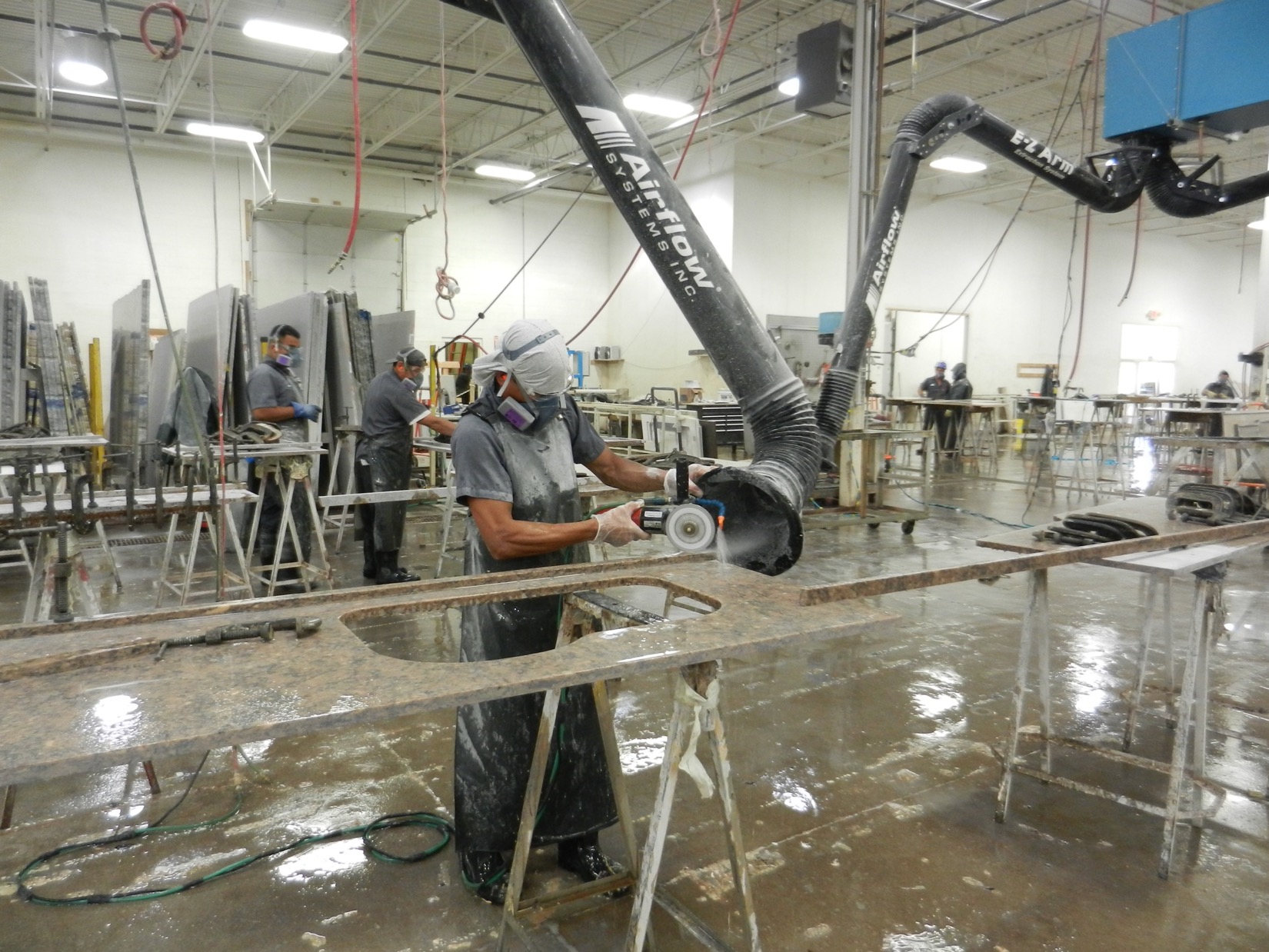
  • Use effective water controls to reduce exposure to silica dust
  • Prohibit dry sweeping/brushing and the use of compressed air for cleaning clothes or surfaces
  • Provide appropriate respiratory protection. Engineering controls may not always control exposures beneath the permissible exposure limit (PEL)
  • Conduct all high-trigger tasks with proper PPE and within regulated areas that are clearly identified by warning signs
  • Use good housekeeping and hygiene practices like a high-efficiency particulate air (HEPA) vacuum and having readily available washing facilities
  • Encourage employees to report any silicosis related symptoms without fear of retaliation
Worker using water controls while cutting silica-containing material.

Your employer is required to provide silicosis screening medical exams for employees who are exposed to silica dust above the Cal/OSHA action level (AL) within 30 days of starting employment, and then at least every 3 years thereafter.

How Can Workers Reduce Exposure

What is a High-Exposure Trigger Task?

Tasks that include cutting, grinding, drilling, or polishing of artificial stone (>0.1% crystalline silica) and natural stone (containing more than >10% crystalline silica).

Employers must provide personal protective equipment (PPE) to minimize silica dust exposure while conducting high-trigger tasks. Workers are required to wear NIOSH-approved, tight-fitting Powered Air-Purifying Respirators (PAPR) with an Assigned Protection Factor (APF) of 1,000, or a respirator providing equal or greater protection. For more information about the proper respirator protection, refer to our Respirator Guide to Protect Against Exposure to Silica Dust.

Workers are encouraged to shave facial hair in order to maintain a proper seal with their respirator and wear other PPE such as goggles, nitrile gloves, aprons or coveralls, and non-slip footwear to prevent dust from getting on clothes. Workers should change into disposable or washable clothing at their worksite to prevent bringing the dust home.

Workers have the right to request and wear PPE to prevent exposure to Silica dust. Employers must provide PPE at no cost and must implement a respiratory protection program.

Workers can also learn how to identify counterfeit respirators and ensure they are using NIOSH-approved respiratory protection by reviewing our Counterfeit Respirator Handout.

Additional Mandatory Employee Protections
Additional safety measures that are required by employers to protect workers are:
  • Ensure water covers the entire surface of a work object that comes in contact with a tool by one of the following methods:
    • Apply continuous, appropriate amounts of water directly to work surface
    • Submerge the work object under water
    • Water jet cutting
  • Use saw enclosures to prevent silica dust from getting into air ducts and use vacuum systems to capture and move silica dust away from workers
  • Filter any recycled water to remove silica prior to reuse
  • Ensure proper cleanup of dust and debris and placing the waste material into leak-tight containers/bags
  • Ensure that a written Silica Exposure Control Plan is established including air monitoring results, proof of silica reporting to Cal/OSHA, PPE procedures to prevent home or vehicle silica contamination, and procedures for employee medical exams and training
  • Conduct initial air monitoring and follow-up monitoring using a qualified person at least every 12 months to ensure that silica controls are working properly. An employer may need to monitor more often if exposures are above the action level
Workplace Support

Need Help? Contact Cal/OSHA Consultation

Employers who have questions or need assistance with workplace health and safety can contact the Cal/OSHA Consultation Services Branch for free consultation services.

Consultation Services Branch (800) 963-9424 Call for free consultation
Los Angeles County Offices Contact a local Cal/OSHA district office for assistance.
View All Offices

Silicosis Resources

To find worker safety guides, employer requirements, healthcare resources, mental health support, and other relevant resources from trusted agencies and partners, select the category below that best describes you.

Loading resources…

Contact Us

We’re here to help

Have a question or need help finding resources? Send us a message and someone from our team will reach out.

Privacy Notice: We respect your privacy and will never share your personal information. Your data is used solely to respond to your inquiry and improve our services.

Send Us A Message

Complete the form below and our team will get back to you as soon as possible.

Contact form

Complete the required fields marked with an asterisk.

Enter your full name.
Enter a valid email address, such as name@example.com.
Describe how we can help you.