Find Affordable Medicines
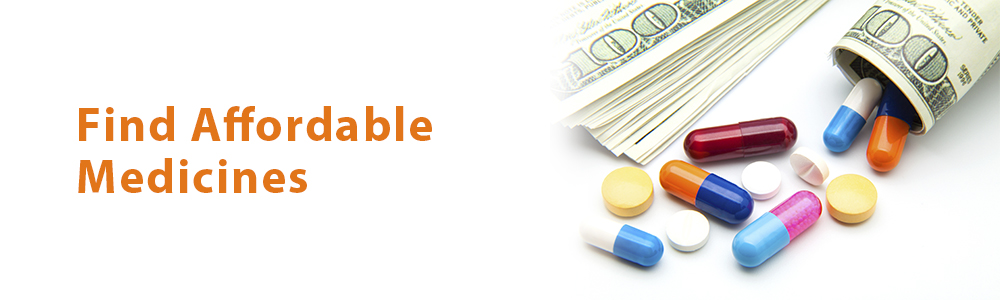
Prescription medicine can be expensive, even with insurance. This may lead people to look for other options, which can be risky. Below are tips to help you find more affordable medicines safely.
Tips for finding affordable medicines
- Ask your pharmacist and doctor if there are
lower-cost options
- Generic medicines: Is there a generic version of your medicine? A generic drug has the same active ingredient as the brand-name drug and often costs much less.
- Other options: Is there another medicine that might be cheaper but work just as well? If you have insurance, ask your doctor for a medicine that is on your insurance plan formulary. A formulary is a list of prescription medicines covered by your insurance company.
- Patient assistance programs: These programs are sponsored by pharmaceutical companies. Is a program available for your medicine? If you qualify, you may be able to get medicine for free or at a lower cost.

- Shop around
- Prices can vary, so shop around—some pharmacies, like those in large retail stores, sell generic medicines at discounted prices.
- Prescription medication discount cards are available online and in pharmacies. Even if you have insurance, the discount price may be lower than your insurance copay. You may also save more money by shopping around.
- Some pharmacies, including small local pharmacies, may be willing to match prices.
- It is good idea to get all your medicines from one pharmacy so that the pharmacist can check for medicines that should not be taken together.

- Ask your insurer about mail order medicines
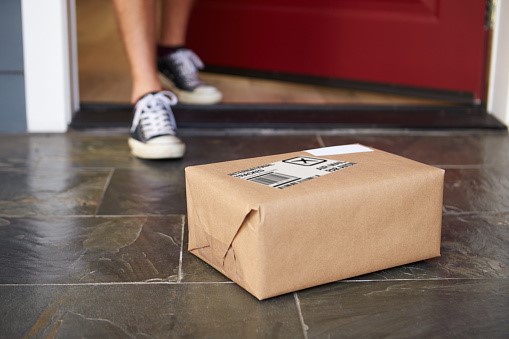
- If you have insurance and take the same medicine regularly, your insurance company may send a 3-month supply by mail.
- This can save time and co-pays, but sometimes costs more than going to a pharmacy. Compare prices to decide what works best for you.
- Insurance Plans
- If you are shopping for health insurance, look for a plan that covers your medicines.
- If you don't have insurance, you can get information in multiple languages by calling 2-1-1 or using the online chat at 211la.org.
- If you have Medicare, visit Medicare.gov and read " How do drug plans work? "to learn about Medicare drug coverage.
- Use online pharmacies with
caution and avoid
fake drugs
- Avoid unsafe or fake prescription medication by buying only from legitimate websites. Use the Safe Site Search Tool safe.pharmacy from the National Association of Boards of Pharmacy (NABP) before buying medicine online.
- Signs of a trustworthy pharmacy website:
- It's accredited by the National Association of Boards of Pharmacy
- The website address ends in .pharmacy which means that it has been accredited by NABP (unlike logos, the .pharmacy domain cannot be faked).
- A licensed pharmacist is available to answer questions.
- A prescription from your doctor is required.
- Contact information is provided, and you can speak to a real person if you need help.
- Don't split pills without checking first
- Some people cut pills in half to save money, but not all pills can be split safely. Before splitting, talk to your doctor and pharmacist. For more information, read this brochure from the California State Board of Pharmacy.
- Only buy prescription medicines from a licensed pharmacist
- Counterfeit (fake) prescription drugs are common. They may be sold in packages that look like real medicine from websites, local grocery stores, botanicas, swap meets, and street vendors.
- Some fake medicines do nothing. Others can make you very sick. There have been reports of fake drugs that contain a powerful and deadly opioids.
- Don't buy prescription medicines or medical devices from online sellers such as EBay and Craigslist. They may be out of date, tampered with or stored incorrectly.
- To check a pharmacist’s license or to file a complaint, visit The California State Board of Pharmacy, Consumer Protection and Enforcement or call 1-916-574-7900.
- Report possible fake medicines to Crime Stoppers at l 1-800-222-TIPS (8477).
- Health Information and Medicines: HealthFinder offers information on using medicine safely.
- Drug / Sharp Disposal: To learn where to safely dispose of sharps and how to get a free mail-back sharps container, visit CleanLA Sharps Disposal webpage. To find drop-off locations for unwanted medicine or to get a free mail back envelope, visit the CleanLA Pharmceuticals webpage, medtakebackcalifornia.org or call 1-844-4-TAKE-BACK (or 1-844-482-5322).